Nature as Co-Coach: When Trees Became Guides
If bringing the body into coaching was revolutionary, inviting nature as co-coach might be downright radical. Yet this movement toward nature-based coaching reflects both ancient wisdom and urgent contemporary need. We are, after all, facing the minor detail of ecological collapse while most leadership development still happens in windowless rooms with recycled air and fluorescent lighting that makes everyone look slightly ill.
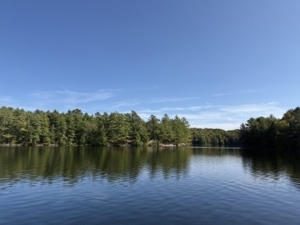 Nature-based coaching isn’t just about having walking meetings in parks (though that is certainly an upgrade from conference rooms that smell of burnt coffee and broken dreams). It is about recognizing that nature offers perspectives and teachings that no human coach, no matter how skilled, can provide. There is something profound that happens when a stressed executive sits by a river and realizes it reaches its destination not by forcing but by finding the path of least resistance. Or when a perfectionist leader observes that trees grow toward light however they can, beautiful not in spite of their imperfections but because of them.
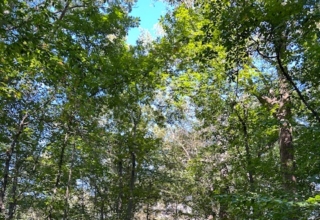
After I finished my Ph.D. in Applied Eco-Psychology, I was somewhat reluctant about bringing it into the corporate world. Sure, it worked well in my retreats and teaching programs, because I contextualized it with humour, likely blended with my own lack of confidence (saying that, “Eco-Psychology means that I can hug trees professionally, unlike all the other ‘amateurs’ out there”). It changed the first time I decided to not hold back, facilitating a session with a leadership team in a forest during autumn. We were exploring themes of transition and letting go – topics that had felt abstract and threatening in the boardroom. But surrounded by trees freely releasing their leaves, trusting in the cycle of renewal, something shifted. One particularly resistant executive actually laughed and said, “The trees aren’t having an existential crisis about dropping their leaves. They just know it is time.” That insight, delivered by a maple tree, created more movement than months of traditional coaching had achieved.
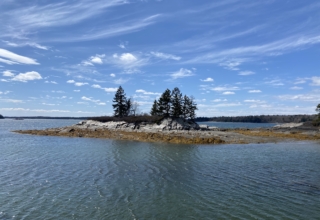
I recently co-facilitated a retreat with David Graham, a friend and a professional collaborator, for The Coach Collective in the beautiful region of Muskoka lakes, several hours north of Toronto. David is a big believer in the power of transformational experiences, by taking leaders and their teams out of the boardroom and into nature. He recently delivered a TEDx talk, “Why your best ideas don’t happen in the office,” sharing what he has discovered about how leaders gain new insights when he takes them and their challenges into nature. The clarity that emerges from these experiences is often astonishing. Our retreat was focused on Nature Coaching and Somatic Coaching, and it was beautiful to observe and experience these two areas being very close siblings; after all, being really present and open to the world around us requires, first and foremost, being present to ourselves.
The research supporting nature-based coaching is robust and growing. Studies on shinrin-yoku (forest bathing) show measurable decreases in cortisol, reductions in sympathetic nervous system activity, and improvements in immune function. But beyond these physiological benefits, nature offers something harder to measure but equally valuable: perspective, humility, and a reminder that we are part of something infinitely larger than quarterly earnings reports.
Download Article