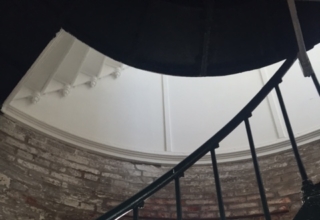
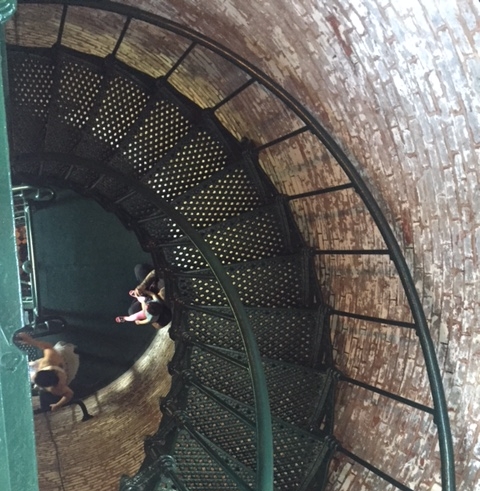
What about the Economic Cave in which we are now living. There are many interpreters of the monetary shadows that are cast of the cave wall. These interpreters tend to rely on the images they see coming in from the outside world or inside the cave itself (as in the images swirling around the main floor of Wall Street). As in the case of the Static Objectivism perspective, the Dynamic Objectivism perspective is reliant on concrete, tangible images—such as US dollars, profit-and-lost statements, stock values, and the US GNP. If it can’t be measured, then images of a more “fanciful” (psychological and sociological) nature are dismissed. At best, these images are labeled “intangible.” Factors such as reputation (a premodern concept), customer satisfaction (a modern concept), loanable funds (postmodern) and even “endogenous money transmission belt” (post post-modern) are often not easily measured or are profoundly complex. Stick with the dollar amount and the shifting value of the stock or bond.
Plato’s cave and his dynamic objectivism do provide us with the opportunity to gain insights as professional coaches in a session with our client about the nature of the economic cave, the images that are projected onto this wall of the cave, and the nature and agenda of the interpreters. It is not our job to be financial consultants or money managers; however, we can assist our coaching client in determining what kind of financial advice they might get—if they need any at all. We should also consider whether or not to invite our client to step outside the cave (direct experience). Perhaps they should visit a company where they hope to invest. They might partake of some services being provided by a nonprofit organization to which they wish to donate some money (or time).
Can we actually step outside the cave—whether as a coaching client or as a coach? How does the professional coach assist their client in stepping outside the cave? Is it safer to remain inside the cave than it is to venture outside without the help of interpreters? Should we (and can we) face the profound challenge of unmediated experiences? Should (and can) a professional coach or consultant assist us by inviting us to step outside the cave (as Julio seems to be suggesting) and by helping us recognize ways in which we still carry the cave shadows and cave interpreters with us when stepping outside the cave?
Download Article